
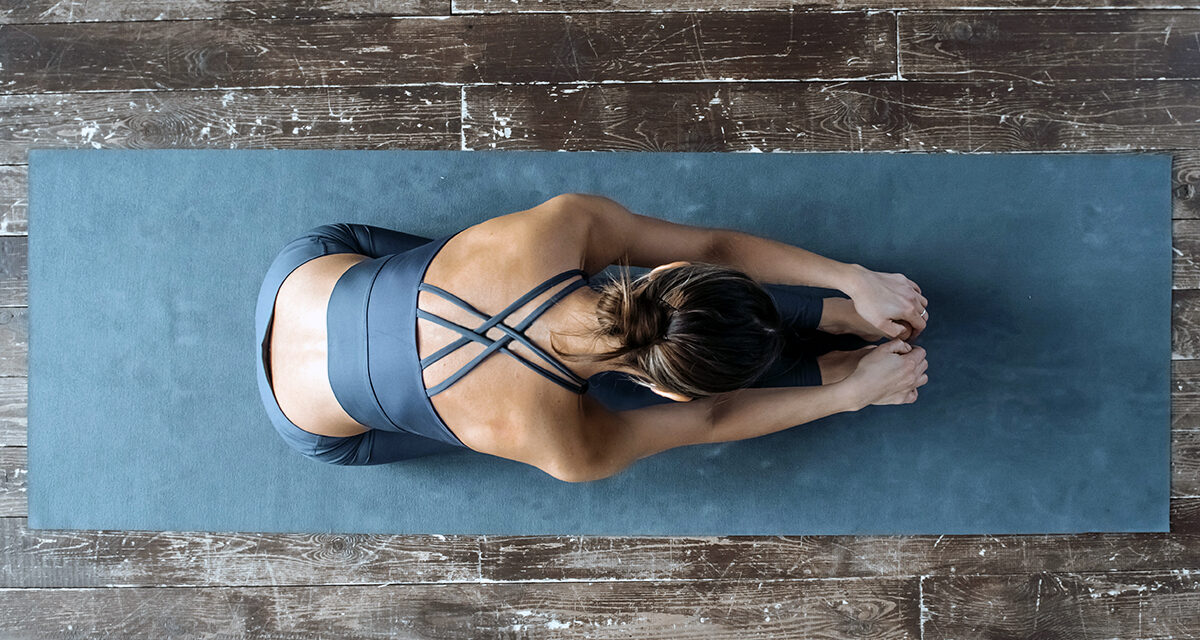
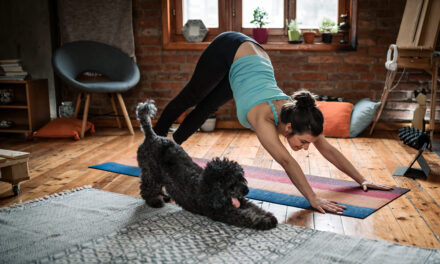
The practice can conjure images of handstands and bodies twisted like pretzels. But yoga can also be the functional fitness we need to maintain balance and stability as we age.
It doesn’t matter what yoga class she’s teaching or what pose she’s demonstrating, Lauren Otto is always encouraging her students to dig deeper. “Reach through the crown of your head,” she’ll say. “Pull your navel toward your spine. Tuck your tailbone. There’s always more—yoga is a practice.”
While those refinements are sure to help improve alignment and build core strength—the fundamentals of a successful yoga practice—Otto knows that they also help fortify that mind-body connection that is so crucial, especially as we age. Although the 60-year-old from Doylestown, PA, has been practicing yoga for 30 years, she’s been teaching for less than a decade. But she’s never been more passionate about it. “As I’m getting older, I am very aware of how important it is to stay in tune with our bodies,” Otto says. “We breathe all day long, for example, but when we stop to breathe mindfully, it helps create that connection.”
Stabilizing Effect
The benefits of yoga in maintaining mobility, balance, and mental health—all areas of concern for older adults—are underscored in recent research. According to Harvard Health, studies using MRI scans and other brain imaging technologies have shown that people who regularly practiced yoga had a thicker cerebral cortex than those who didn’t.
However, Otto recognizes that starting yoga later in life can be intimidating, especially in studios filled with athletic people who seem to be defying gravity. But the beauty of yoga is its accessibility and versatility, she says. “It’s never too late to start yoga. If you’re coming to yoga later in life, the objective is different. It’s about balance and core strength,” she says. “That’s so important so we don’t struggle to walk, climb stairs, or remain active.”
Otto encourages her own 82-year-old mom to build and maintain core strength for that very reason. Managing expectations and listening to what your body can do on any given day is the first step. “As we get older, we start to make peace with our limitations, and we bring that to the mat,” Otto says. “Try to meet yoga where you are. Just get to your mat and see where it takes you. You will walk out better and stronger. Getting there is the hardest part.”
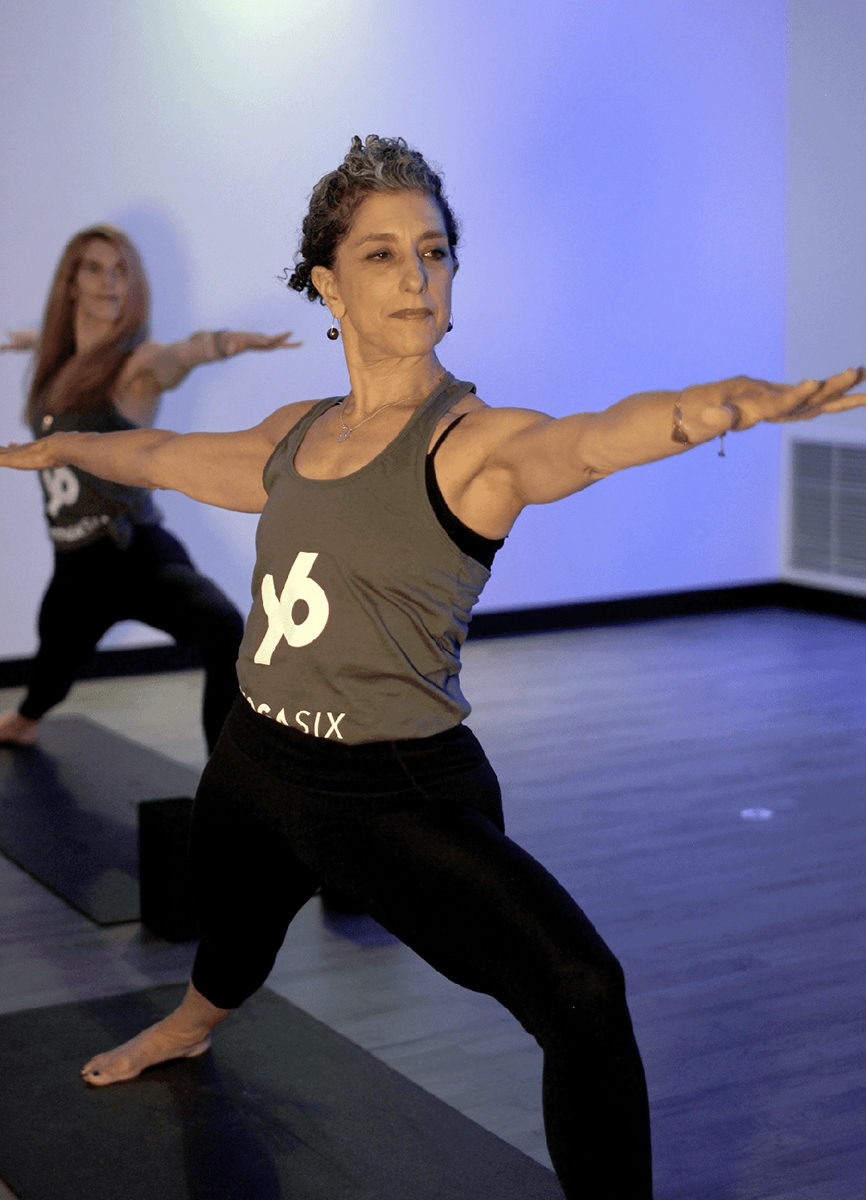
When I first started doing yoga, I was all about how hard I could go. Now I don’t push myself as far as I can go because my focus is my mind-body connection.
Strike a Pose
At its core, yoga is about something much more central to our health and well-being than perfecting poses—forming and strengthening the mind-body connection. “When I first started doing yoga, I was all about how hard I could go. Now I don’t push myself as far as I can go because my focus is my mind-body connection,” Otto says. “Your yoga practice evolves, and it serves different purposes as we age.”
But it’s not just about your body from the neck down. Yoga can play a meaningful role in maintaining your cognitive functioning.
According to the National Institutes of Health, a regular yoga practice increases gray matter, specifically in the brain’s hippocampus, which manages memory and stress. Yoga enhances processing speed, attention, and neuroplasticity while helping to lower stress-related cortisol. “The mind-body connection we learn from yoga helps prevent injury and helps us listen to what our body needs. We all want a quick fix, but yoga isn’t like that. It slows everything down. It’s about mindful breathing and quieting the nervous system,” Otto says. “Just knowing you’re doing this for yourself—disconnecting from the world on your mat truly is a gift.”
Whether it’s the body benefits like balance and stability or the cognitive advantages like stress management, adding a regular yoga practice to her life is something Otto will never regret. “I will be 61 this year, and I am so grateful for my mobility and that I get to give myself this practice of yoga,” she says. And I want to keep honing it for as long as I can. Yoga reminds me all the time that we can totally do this. We can be older, stronger, and more graceful.”
Two Essential Poses
CHAIR POSE
Utkatasana in Sanskrit
How to do it: Inhale while raising your arms overhead (shoulder-width apart), and exhale as you bend your knees, sinking your hips back as if sitting in a chair, keeping weight in your heels, your chest lifted, and your knees behind your toes. Hold for three to five breaths.
Optional modification: From chair pose, practice putting on a sock, or if you need a little extra support, move into the pose while holding onto a counter or a stable chair.
Body benefits: Chair pose engages the quads, glutes, and core, which directly impacts the ability to sit and stand. “It helps with balance,” Otto says. “Think of getting on and off a chair.”
TREE POSE
Vrksasana in Sanskrit
How to do it: Standing on one leg, place the sole of your opposite foot on your ankle, calf, or inner thigh (avoiding the knee), and lift your arms like branches.
Optional modification: Practice with the support of a wall behind you until you are comfortable balancing without it. Another option is to keep your toes on the floor like a kickstand for support.
Body benefits: “Being able to stand on one foot gives you so much freedom in walking and staying mobile,” Otto says. “It’s so important to have that balance, especially as we age.”
We all want a quick fix, but yoga isn’t like that. It slows everything down. It’s about mindful breathing and quieting the nervous system.
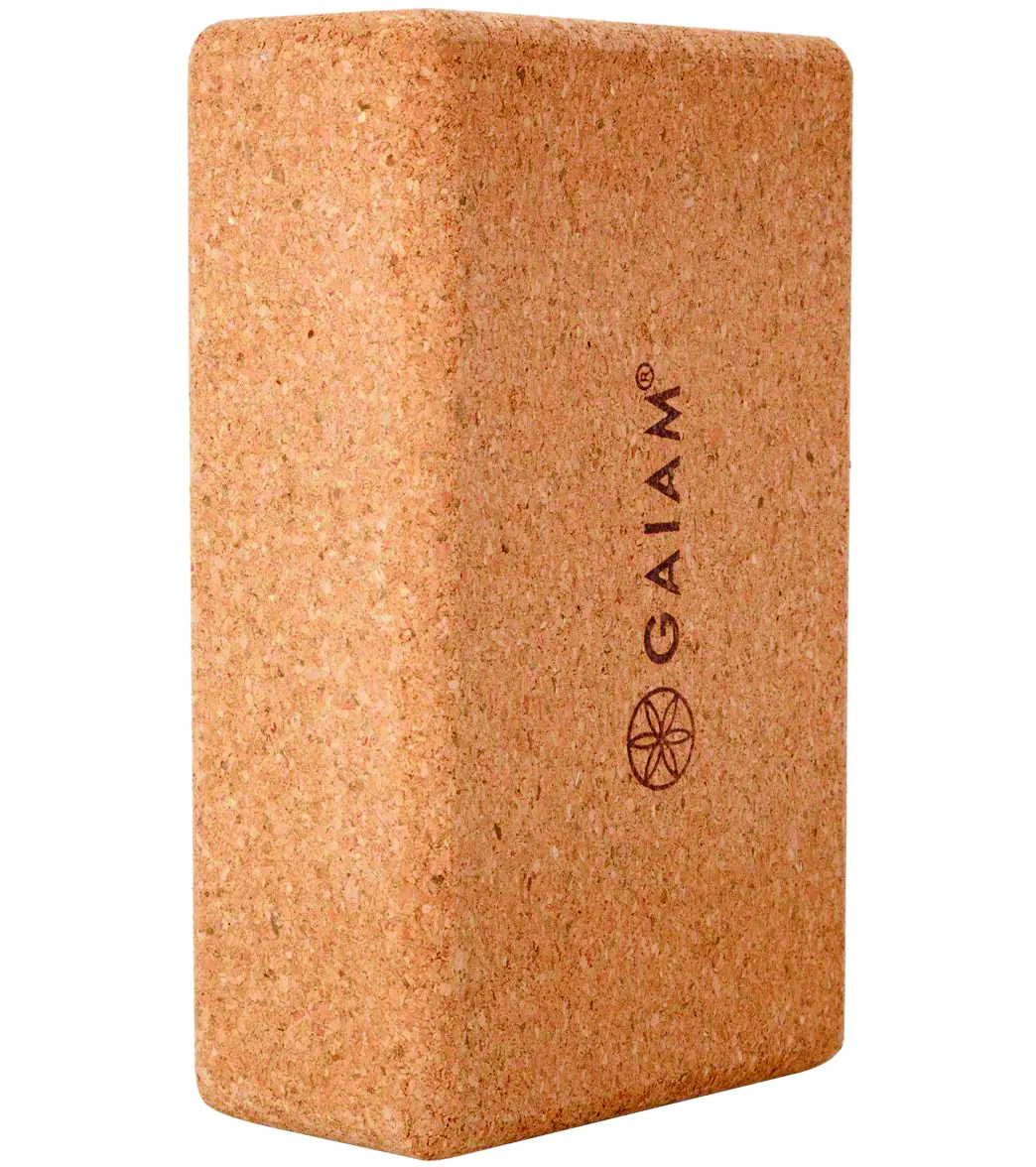
Modify With Blocks
Yoga blocks, made from foam, bamboo, or wood, are often misunderstood as props for beginners, when really they’re tools that meet you at any stage of your practice. “Using block assists in yoga isn’t cheating,” Otto says. “They help bring the floor closer and help you reach proper alignment. Blocks also help provide a solid foundation, reducing the risk of falls and building confidence.”



 Site by